FREE ground shipping on U.S. orders $25+  •  Designed & printed in Woodstock, New York since 1981
0%

Undated Weekly Planners are practical paper tools for people whose schedules change often. Unlike dated planners, they do not punish you for missing a week. You can start on any Monday, pause during travel, and return without wasting unused pages. This flexibility makes them useful for students, freelancers, parents, and small-business owners managing irregular commitments.

Productivity author Michael Hyatt often shares a simple principle: “What gets scheduled gets done.” His statement is not limited to undated planning, but it explains their central value. A blank weekly spread gives priorities a visible home. You might write “client proposal” beside Tuesday, place a dentist reminder on Friday, and leave Wednesday open for unexpected work. The format turns vague intentions into concrete choices.

Still, an Undated Weekly Planner is not a magic productivity solution. A beautiful layout cannot repair unrealistic planning or constant overcommitment. I have found that people often fill every space, then feel discouraged when life interrupts. Leaving white space may be more effective. Sometimes, less is better.

Buying one makes sense when flexibility matters more than calendar speed. Look for clear weekly sections, durable paper, comfortable writing space, and a binding that opens flat. Consider whether you prefer habit trackers, notes pages, or simple planning blocks. The best planner is not necessarily the most elaborate. It is the one you will actually open, use, and adjust when your original plan stops working.
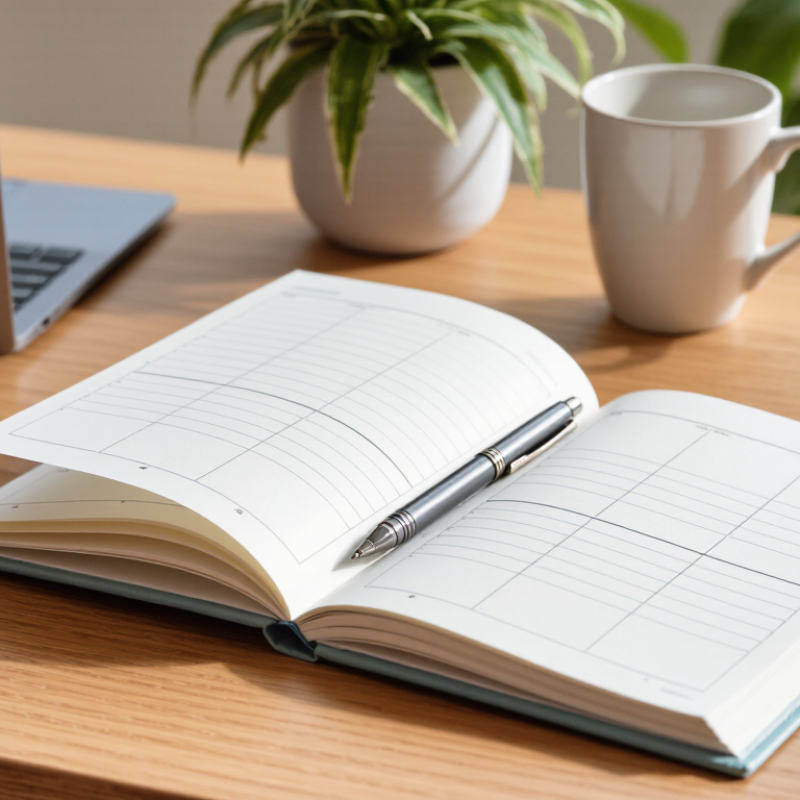
What Are Undated Weekly Planners and Why Buy Them?

What Is an Undated Weekly Planner?

An undated weekly planner is a paper planning tool without printed dates. Its weekly pages usually include spaces for appointments, tasks, notes, and priorities. You write the date yourself when you are ready to begin. This design separates planning from the calendar year.

A dated planner can make unused pages feel wasteful. An undated version allows you to pause during travel, illness, or demanding work periods. I have found it useful for irregular schedules, freelance projects, and changing study routines. A blank weekly spread might hold Monday’s meeting, Wednesday’s grocery list, and Saturday’s exercise plan. The layout stays available until real life becomes manageable again.

The format is flexible, but it is not a cure for disorganization. Missed weeks still happen. Sometimes, writing the date incorrectly creates confusion. A simple habit helps: check the calendar before filling each spread. It also helps to limit the week to three major priorities. Too many tasks can turn a clean page into a crowded promise. A reliable planner should support honest decisions, not pressure you to record every minute. The best choice depends on your planning habits, writing space needs, and willingness to review unfinished tasks.

How Undated Weekly Planners Are Structured

Undated weekly planners use a repeatable seven-day layout without printed calendar dates. Each spread usually contains Monday-to-Sunday sections, a weekly priorities area, and space for notes or reminders. Some designs add habit trackers, meal planning boxes, or hourly columns. This structure separates fixed commitments from flexible tasks. You write the date only when the week begins.

That small choice matters. A 2023 Microsoft Work Trend Index reported that employees spent 57% of their time communicating and 43% creating. A clear weekly spread can reduce scattered planning across messages, notebooks, and memory. In practice, I would place appointments in the daily blocks, then limit the priority area to three meaningful outcomes. Too many priorities weaken the page.

Keep it visible.

The undated format also supports irregular schedules, travel, study periods, and delayed projects. An unused week does not become a silent reminder of failure. However, the structure is not perfect. Hourly layouts may feel restrictive, while open pages can encourage vague intentions. I have found that specific details work better: “draft two pages by Wednesday” is stronger than “work on report.” A reliable planner should support review, not create pressure. At week’s end, mark completed tasks, move only essential items, and question what repeatedly remains unfinished.

What Are Undated Weekly Planners and Why Buy Them? - How Undated Weekly Planners Are Structured
Planner Element Typical Structure How It Supports Weekly Planning
Date Entry Blank spaces for the month, date, and year Users can begin planning at any time without leaving unused dated pages. The date is added manually when the page is used.
Weekly Overview One spread or page divided into seven daily sections Provides a clear view of appointments, tasks, deadlines, and personal activities for the entire week.
Daily Planning Space A separate box, column, or writing area for each day Helps users assign tasks to specific days and separate daily priorities from general notes.
Weekend Layout Separate Saturday and Sunday sections, or a combined weekend section Accommodates different planning styles, from detailed weekend scheduling to a compact overview.
Priority Area A short list for important tasks or weekly goals Encourages users to identify key outcomes before filling the week with smaller activities.
Notes Section Open space, ruled lines, or a dedicated notes box Offers room for reminders, shopping lists, ideas, meeting notes, or information that does not belong to one day.
Habit Tracking Optional checkboxes or a small repeated-tracker grid Allows users to monitor recurring behaviors such as exercise, reading, hydration, or study.
Time Scheduling Hourly lines, time blocks, or an open task-based format Hourly layouts suit appointments, while open layouts provide greater flexibility for task lists and irregular schedules.
Navigation Page numbers, weekly labels, tabs, or index space Makes it easier to locate completed weeks, notes, and planned information when pages are not tied to printed calendar dates.
Flexibility Pages can be used consecutively or only when needed Users can pause during holidays, travel, busy periods, or schedule changes without wasting dated pages.
Common Users Students, professionals, families, freelancers, and irregular-shift workers The format is useful for people whose routines change or who prefer to start planning according to their own schedule.
Main Buying Consideration Balance between writing space, portability, and planning features A suitable planner should match the user's handwriting size, weekly workload, preferred layout, and desired level of structure.

Key Features of Undated Weekly Planners

What Are Undated Weekly Planners and Why Buy Them?

Undated weekly planners let you begin whenever life becomes busy. Their pages have no printed dates, so unused weeks create no guilt. This flexibility suits students, freelancers, parents, and project-based teams.

Key features matter more than decoration. A clear two-page weekly spread shows appointments, deadlines, and open time together. Separate sections for priorities and notes reduce visual clutter.

A small habit tracker can reveal patterns, although it cannot replace honest self-discipline. Many planners also include monthly overviews, goal pages, checklists, and thick paper for handwriting.

These details support real use, especially when plans change during a crowded Tuesday.

Microsoft’s 2023 Work Trend Index reported that employees spent 57% of their time communicating and 43% creating. A weekly layout can protect creation time by making invisible commitments visible.

Gallup’s State of the Global Workplace 2024 report found that 41% of employees experienced significant daily stress. Planning cannot remove that pressure, but a realistic workload may prevent avoidable overload.

My own use is imperfect. I often schedule too much, then revise the page. That revision is useful feedback.

Tips: Choose Monday or Sunday starts based on your routine. Reserve blank space for delays. Write three essential tasks, not twelve. Test the paper with your usual pen before buying. A planner should open flat, travel easily, and remain readable under ordinary desk light.

Benefits of Using an Undated Weekly Planner

An undated weekly planner lets you begin whenever your schedule needs structure. Unlike dated planners, it does not punish you for missing a week. You can open a fresh spread on Monday, Thursday, or after a demanding month. This flexibility helps students, freelancers, parents, and people with changing work shifts. In practice, unused pages create less guilt and less paper waste.

The main benefit is a clear view of your available time. You can place a dentist appointment, project deadline, grocery trip, and evening walk on one spread. Separating urgent tasks from flexible tasks also makes planning more realistic. I recommend adding three priority items before filling smaller tasks. This simple limit reduces crowded lists and protects time for rest. Short notes beside each task can record progress, not just completion.

An undated format also supports changing routines. A travel week can need a packing list, while a quiet week may focus on study or recovery. It is not magic. Some people may keep postponing difficult tasks because the pages never expire. I sometimes overestimate what fits into seven days. Reviewing the previous spread honestly helps reveal repeated delays, hidden commitments, and plans that need fewer promises.

What Are Undated Weekly Planners and Why Buy Them?

A flexible weekly format helps organize any seven-day period without wasting unused dated pages.

A standard week contains seven days, including five weekdays and two weekend days. An undated weekly planner gives users a complete seven-day view that can begin whenever needed, making it useful for changing schedules, new routines, travel planning, study periods, and project work. Because the pages have no fixed dates, unused weeks are less likely to become wasted space.

How to Choose the Right Undated Weekly Planner

An undated weekly planner begins with a blank page, not a missed deadline. You can start in March, pause during travel, and restart without wasting dated pages. This flexibility suits irregular schedules, freelancers, students, and parents. I have used one during busy project periods. The empty weeks felt practical, although I sometimes postponed planning too easily.

Choosing the right undated weekly planner requires more than attractive paper. Check the page structure first. A useful layout should show Monday through Sunday clearly, with enough writing space for appointments and tasks. Look for sections for priorities, notes, and habit tracking if those features support your routine. Paper quality also matters when using gel pens or highlighters.

The 2023 Work in America survey from the American Psychological Association found that 77% of workers experienced work-related stress during the previous month. A planner cannot remove that pressure. However, separating urgent tasks from flexible tasks can make a crowded week feel more visible.

Tips:

Match the planner to your real habits, not your ideal self.

Choose weekly pages if your schedule changes often.

Choose extra notes space if meetings create follow-up work.

Review the binding and portability before buying.

A bulky planner may stay at home.

A slim one may lack useful detail.

Measure your bag, test your handwriting size, and leave room for imperfect weeks.

Your system should recover easily after missed planning days.

FAQS

What is an undated weekly planner?

It is a weekly paper planner without printed calendar dates. You add dates when you begin.

Who can benefit from an undated weekly planner?

It suits students, freelancers, parents, travelers, and people with changing schedules. Start when life allows.

What does a typical weekly layout include?

Most layouts include Monday-to-Sunday sections, priorities, appointments, tasks, and notes. Some add habit trackers or hourly columns.

How can an undated planner reduce wasted pages?

You can pause during illness, travel, or heavy work periods. Blank weeks remain available instead of feeling abandoned.

How many priorities should I write each week?

Try choosing three major priorities. Twelve tasks can crowd the page quickly.

How should I prevent incorrect dates?

Check a calendar before completing each weekly spread. Small errors can confuse later planning.

Can an undated planner fix disorganization?

No. It supports better decisions but cannot replace regular review and honest scheduling.

What should I do with unfinished tasks?

Review them at week’s end. Move only essential tasks, and question repeated delays.

What details make a planner practical?

Look for readable sections, useful writing space, durable paper, and a flat opening. Test your usual pen first.

What is one realistic way to use it?

Write Monday’s meeting, Wednesday’s grocery list, and Saturday’s exercise plan. Leave space for delays. Plans change.

Conclusion

Undated Weekly Planners are flexible organizational tools designed without fixed dates, allowing users to begin planning whenever they choose and skip unused weeks without wasting pages. They typically include weekly spreads with sections for appointments, priorities, tasks, notes, and personal goals. Some layouts also provide space for habit tracking, meal planning, reflections, or long-term scheduling, making them adaptable to different routines and planning styles.

Using an undated weekly planner can reduce pressure, improve time management, and help users maintain a clearer view of their responsibilities. When choosing one, consider the layout, writing space, paper quality, size, portability, durability, and any extra planning features. The best option should match your daily habits and offer enough structure to stay organized while still allowing room for changes, busy periods, and personal preferences.


Elowen

Elowen

Elowen is a dedicated marketing professional and a trusted voice behind the company’s website blog. With a strong understanding of the company’s products, customer needs, and industry trends, Elowen transforms complex information into clear, practical, and engaging content for a broad audience.......